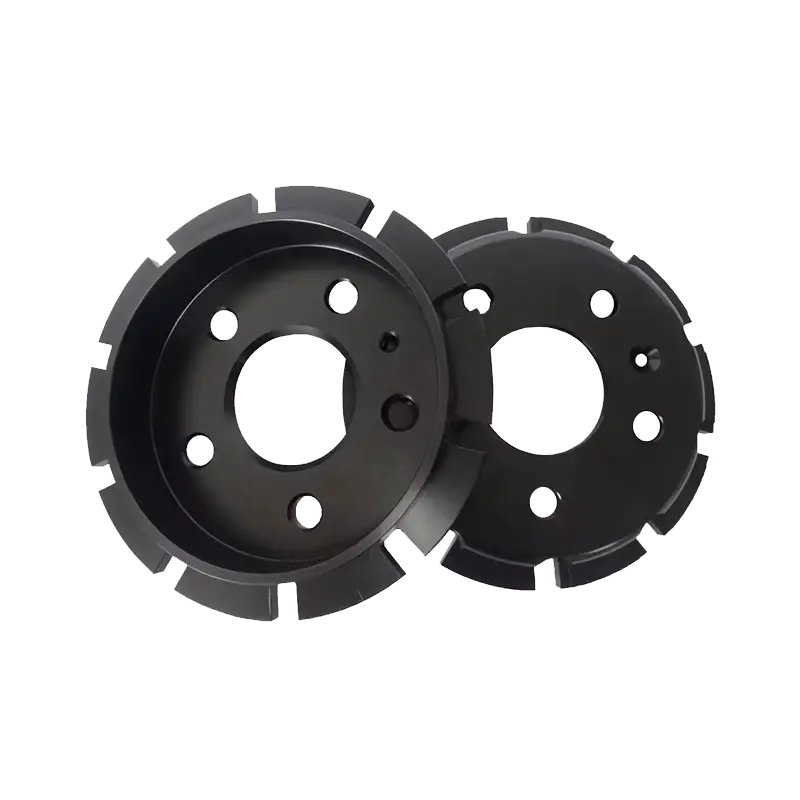
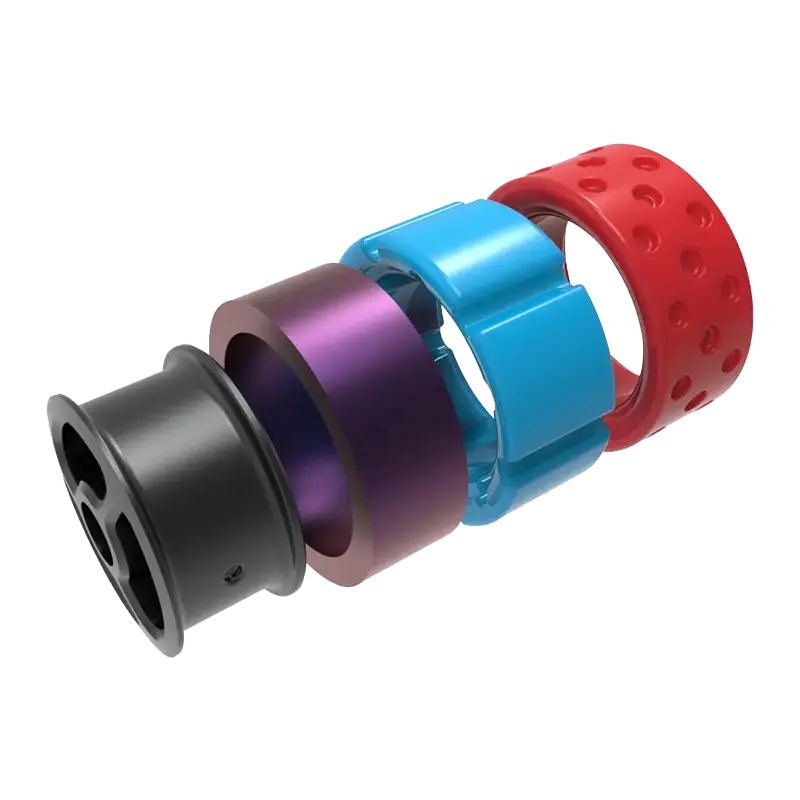
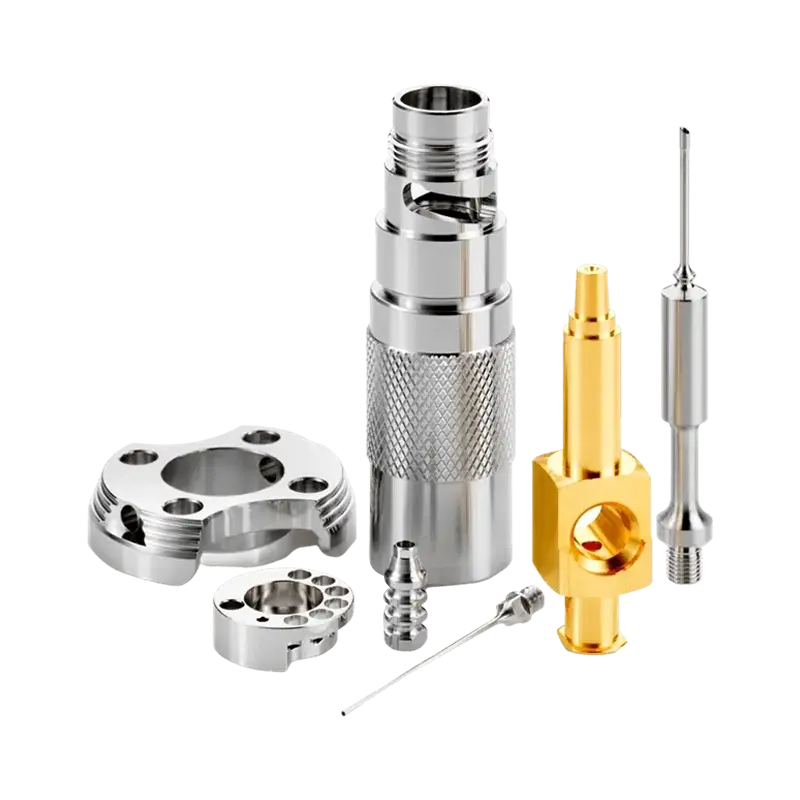
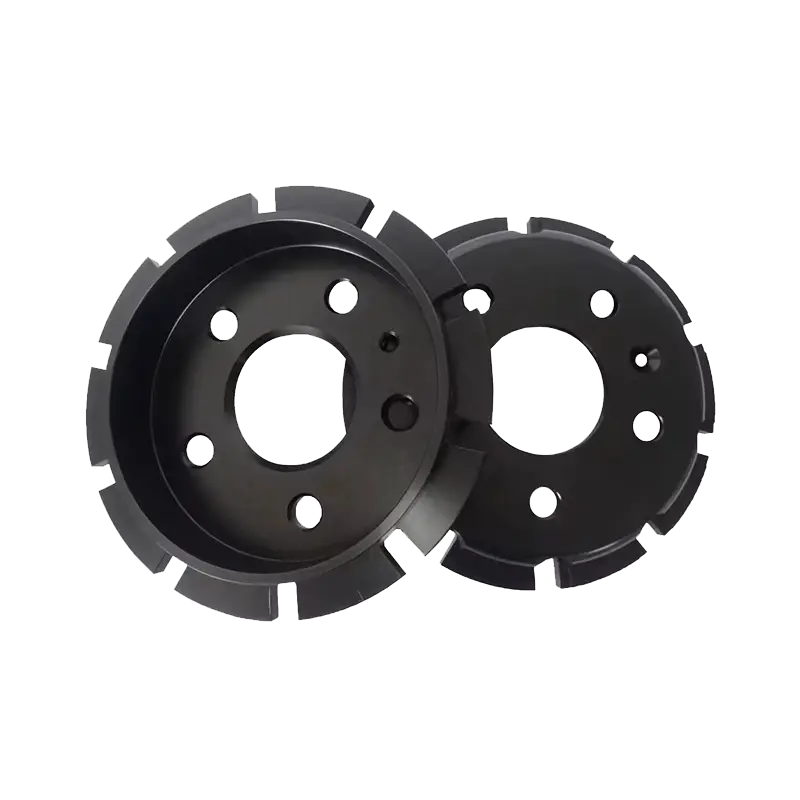
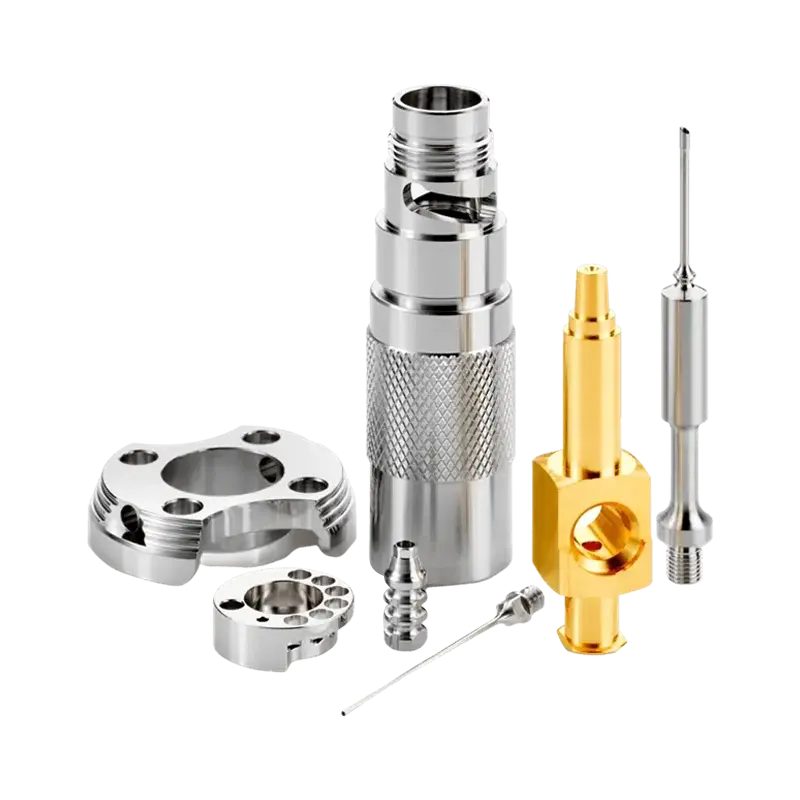
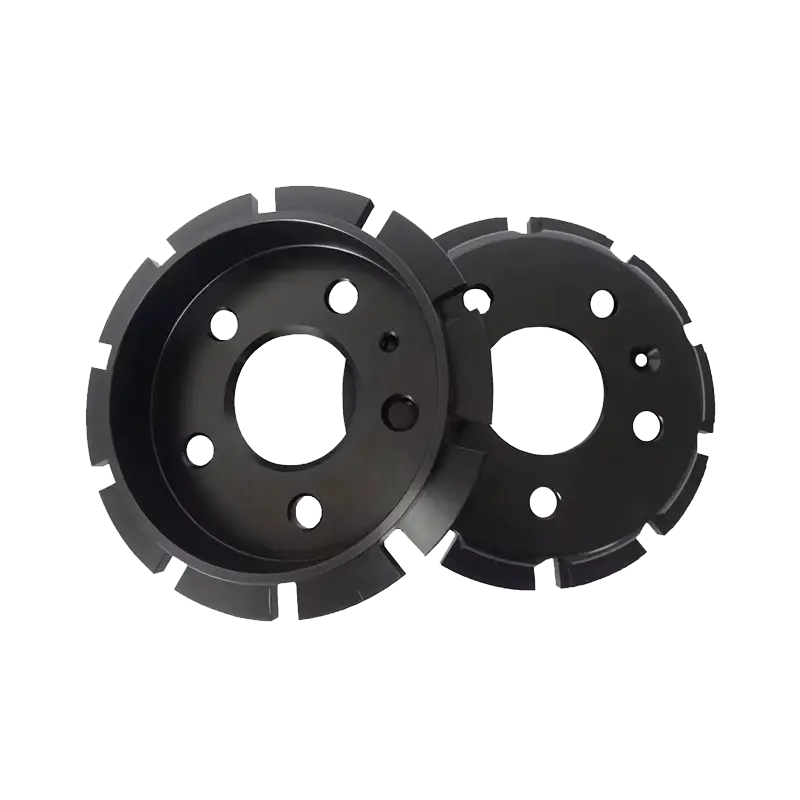
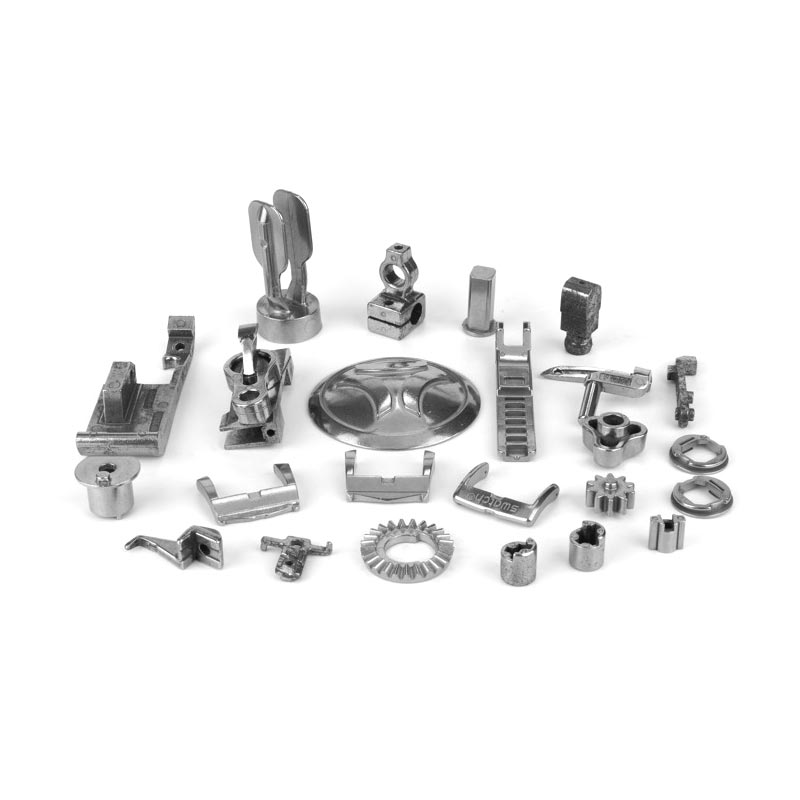
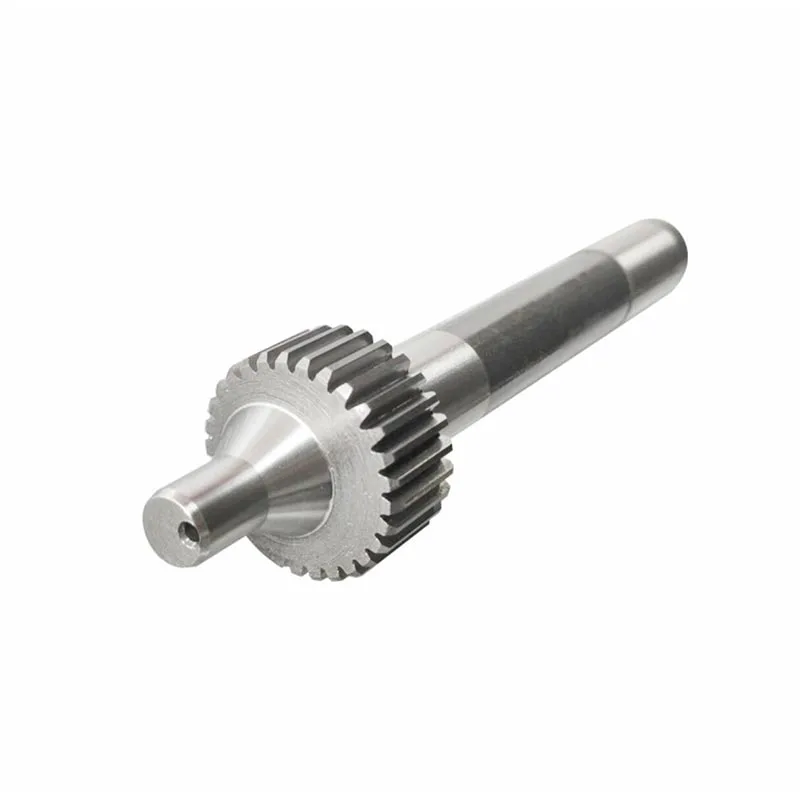
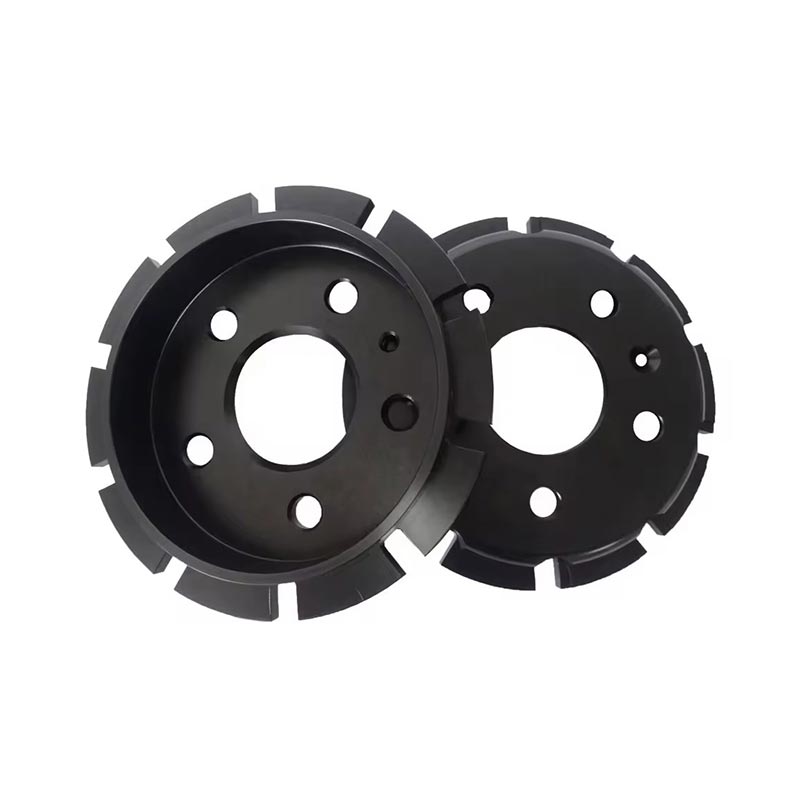
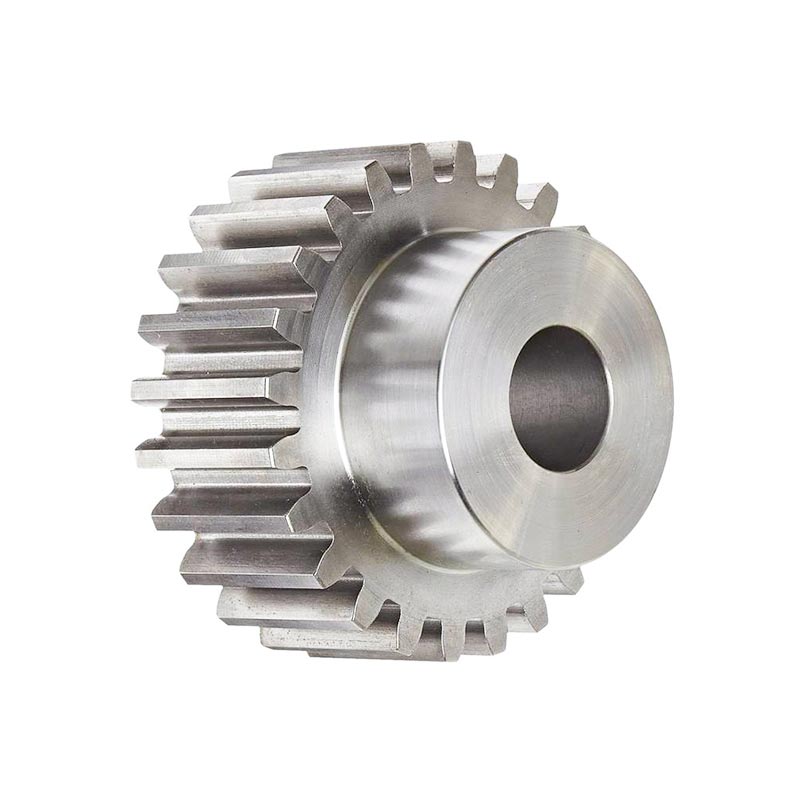
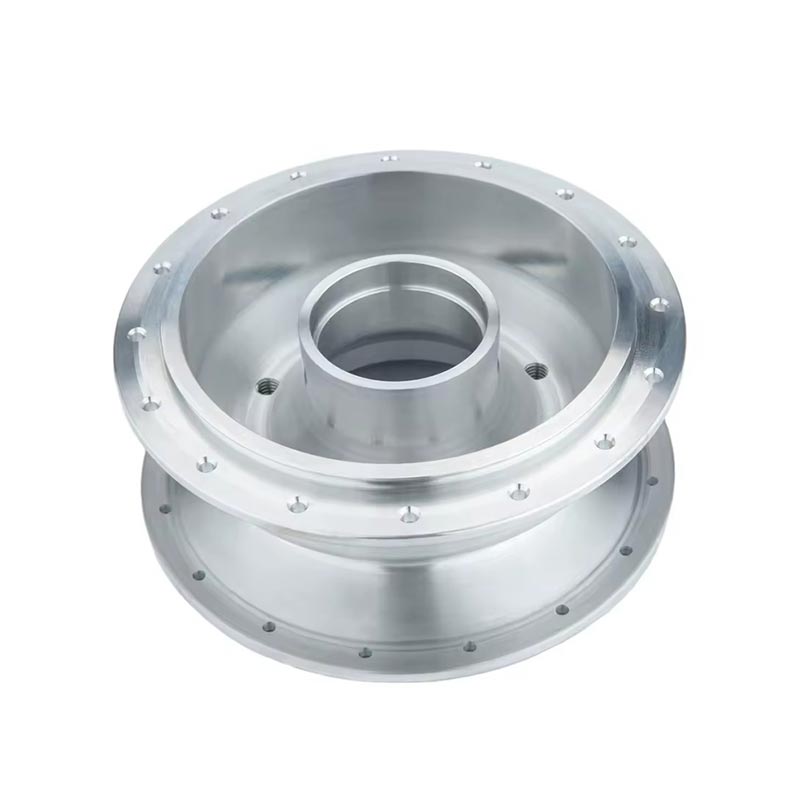
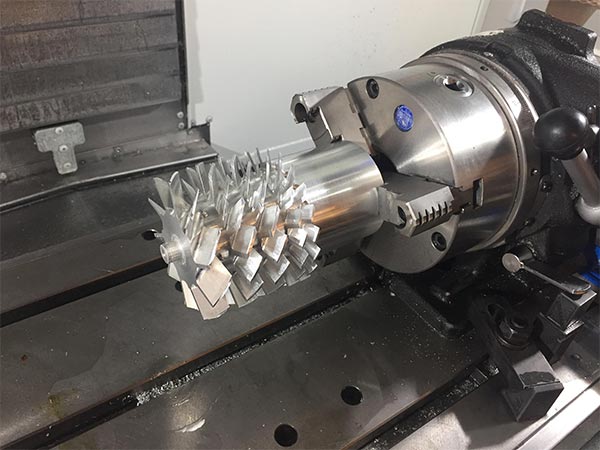
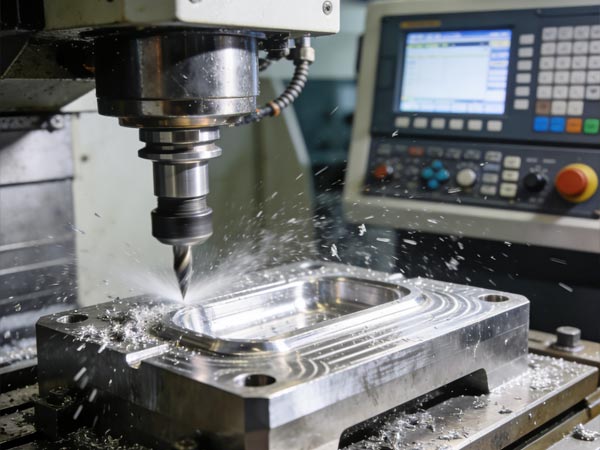
CNC milling is a highly automated subtractive manufacturing process that uses computer - controlled cutting tools to
remove material from workpieces, offering distinct advantages over traditional manual milling.
Firstly, it delivers exceptional precision and consistency. With programmed toolpaths, CNC milling machines can
repeatedly produce parts with tight tolerances (often within ±0.005 mm), eliminating human errors associated with
manual operation. This makes it ideal for manufacturing complex components in aerospace, automotive, and medical
industries where accuracy is critical.
Secondly, it excels at handling complex geometries. Unlike manual milling, which is limited by operator skill,
CNC systems can execute multi - axis movements (3 - axis, 4 - axis, or 5 - axis) to machine intricate shapes, curved
surfaces, and undercut features in a single setup. This reduces the need for multiple clamping operations, saving
time and minimizing workpiece positioning errors.
Thirdly, CNC milling boosts production efficiency and flexibility. Once a program is optimized, it can be stored
and reused for batch production, ensuring uniform quality across all parts. Additionally, quick program adjustments
allow for rapid switching between different part designs, making the process suitable for both small - batch
customization and large - scale mass production.
Finally, it enhances workplace safety. The fully enclosed cutting area and automated tool changes reduce direct
operator contact with rotating cutters and flying chips, lowering the risk of accidents.
In summary, CNC milling’s precision, versatility, efficiency, and safety make it an indispensable technology in
modern manufacturing.
We use cookies to offer you a better browsing experience, analyze site traffic and personalize content. By using this site, you agree to our use of cookies.
Privacy Policy